
The Invisible Hours
On the lost art form of daydreaming

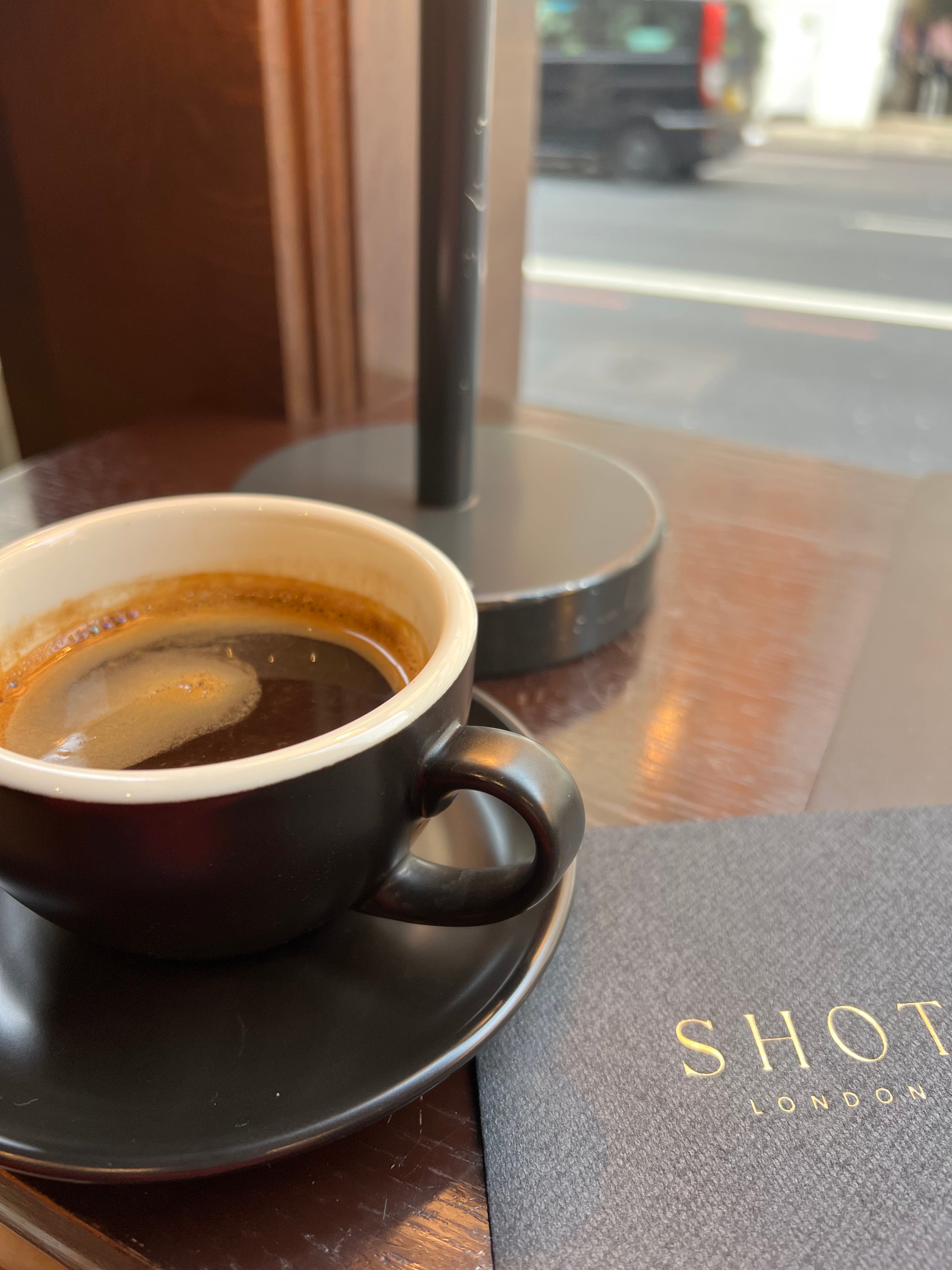
Early last week, my days had a loose, unstructured quality that I’ve learned to distrust. No visible progress. Nothing delivered. Just time moving through me while I moved through it — reading a little, thinking a lot, wandering about London between meetings, staring out of café windows in the way that looks, from the outside, exactly like wasting time.
The guilt of it is almost muscle memory. A day should have a list, jobs, achievements. To not is lazy. Indulgent. Disappointing.
This was still hanging over me as I joined some friends for an evening of tarot reading and collaging. As if my brain was calibrating the week, I was quiet, letting the conversations wash over me like a salve.
I had never let myself explore tarot properly — too well-trained in the art of rational dismissal and intellectual snobbery. My friend was gentle with her explanations, sensing I needed time to absorb. Time to learn how to think differently.
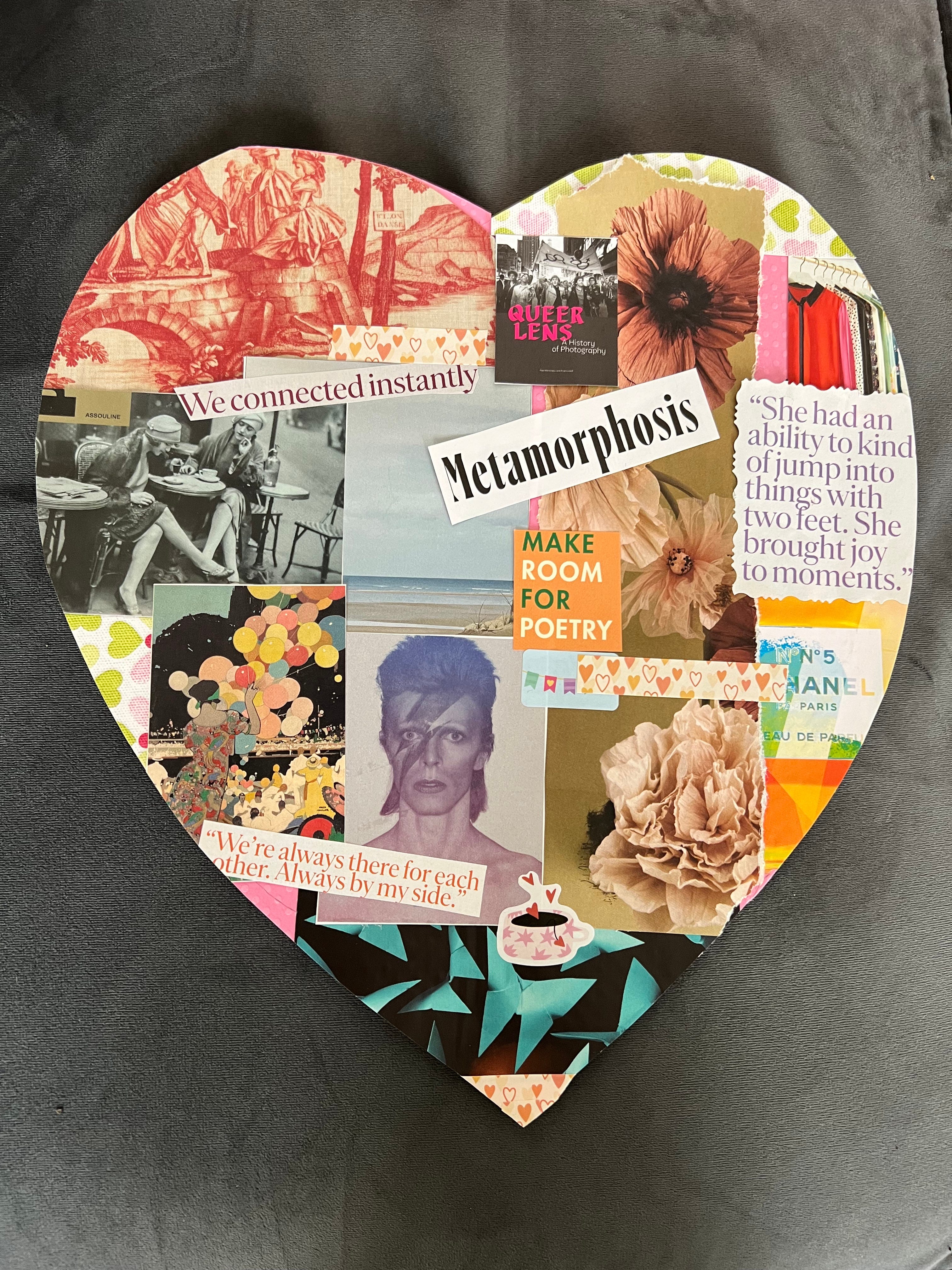
I had extensive plans for my collage – to start a visual journal for my novel. When it came to it, it was like my brain had hit the go-slow button. So I gave myself permission to just be. To flick through coloured paper and magazines and just see what came. I gathered pictures and words. A heart shape formed, and the friendship that’s at the heart of my book emerged.
The next day I went to the theatre. A cheap seat for Bird Grove at the Hampstead — a new play about a young woman in 1841, Mary Ann Evans, trying to become herself against the wishes of the people who love her most.
Mary Ann was destined to become George Eliot, but she had to wait until her father passed away before she could fully embrace her true self. Her father had cultivated a mind he couldn’t bear to free. She spent years doing everything that appeared to be not-writing — translating, socialising, living — before she became George Eliot.
Her friends, the Brays, were a counterpoint to her father’s unconscious sabotage. They saw something in Mary Ann that her father couldn’t see. They gave her permission to be courageous. To stretch as much as the society of the time and the love for her father would allow.
Bird Grove stayed with me longer than I expected. Not because of what it told me about Mary Ann Evans, but because of what it quietly showed me about myself — and about what we lose when we don’t make space for this kind of looking.
Living in London makes this particular kind of space both easier and harder to find. When I was working full-time last year, I understood immediately why so many people who live here don’t have great things to say about it. You work to afford it, which means you rarely have the time or energy to actually live in it. London has everything humans need to thrive and feel the unbounded thrill of discovery and community. What is it that throttles our exploration and experience of it?
It is easy to blame the cost of living, particularly in London. But the more honest question is whether we’ve given ourselves permission to understand what we’d be unlocking — whether we’ve remembered what we actually need, beyond the lists and the deliverables and the corporate clock. That we may have forgotten what sparks joy and connection and faith in our fellow humans.
Something I heard recently at the London Book Fair landed differently than it might once have. During a panel discussion, an author commented that sitting and typing words is not the only work you do as a writer. That daydreaming is critical. That the invisible hours count. That time exploring, studying, just being, is not time wasted, as I had always thought it was.
When I had to curtail creative outlets, particularly writing, last year to fit within the confines of a roster, I could feel the haze and cold pressing against my skin, the organisational pulse dulling the vigour for words and stories, and the examination of beating hearts. It was a stark realisation to find that, without writing in particular, but also the sources of my inspiration – galleries, theatres, cinemas – I was depleted. Dull. Stunted.
I have realised that it’s not only the new opportunities that London has opened up for me. It’s the fact that I no longer seek permission.
Art doesn’t just reflect us back to ourselves. It makes us more complete. It gives us access to versions of experience, emotion, and truth that we haven’t lived — or haven’t yet let ourselves live. And in doing so, it expands what we’re capable of feeling, understanding, and becoming.
This is what art does at its best and what we lose when we treat it as optional. It gives you permission to understand something you already know but haven’t yet let yourself say. To see yourself mirrored in another’s exploration of the complexities of being human. To be given permission, in the dark of an auditorium or the quiet of a gallery or even in the theatre of nature and people watching, to be more complete.
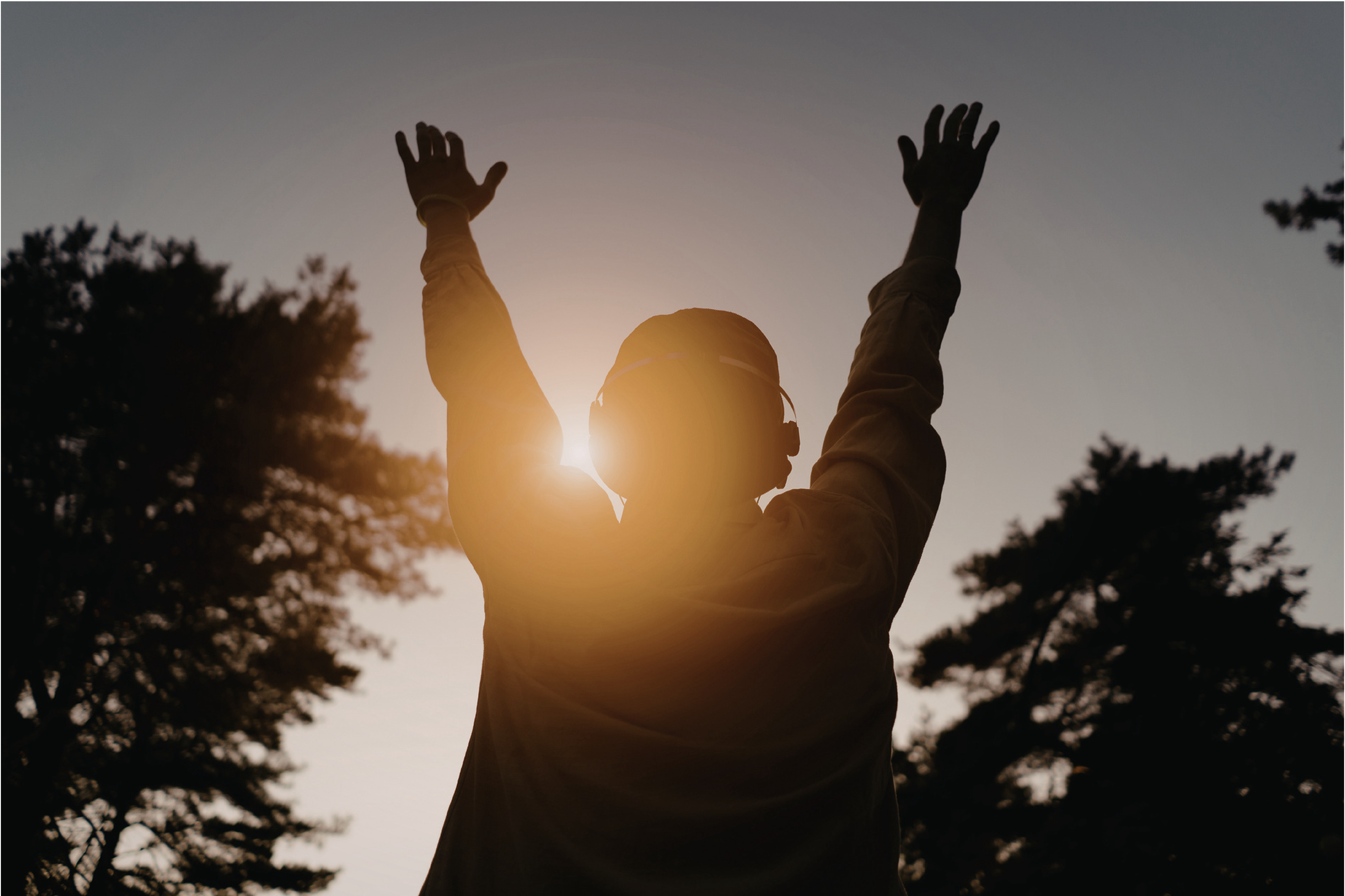
This permission – to wander, to wonder, to make space – feels to me like joy. It comes to me, often unexpectedly. Headphones in, my head full of music I love. The spring-soft grass of parks, walking without a destination. Something in my heart cracks open and light spills in. I throw my hands in the air, like a girl in a movie who doesn’t care who’s watching. Unguarded. Not needing anyone’s permission but my own.
The slow, invisible, associative days of my week and the creative outlets I soak myself in are not the opposite of work. They are where the work lives. The fallow ground that makes it all possible.
Whose voice is it that tells you otherwise? And is it actually yours?
Ready for tarot round 2 whenever you are 😉
This resonates!!!